Updates & Announcements
Important reminders:
- SSL.com officially launched BIMI-compliant Verified Mark Certificates (VMCs). VMCs allow organizations to display their legally trademarked logo directly in email recipients’ inboxes, providing enhanced email authentication and brand protection. Available now in Gmail and soon in Apple Mail trust stores. Learn more about how VMCs can help your organization.
- C2PA sandbox testing environments are now live. Build, test, and validate your C2PA certificate issuance integration and signing workflows before your production launch. Contact our sales team today to learn how to get started with advanced media protection capabilities, end-to-end C2PA infrastructure, and CAWG certificates.
- SSL.com has acquired VikingCloud’s digital certificate business, expanding its global CA services. By taking action, VikingCloud customers can transition to the SSL.com portal without service disruption for 24/7 technical support and full access to SSL.com certificate management tools. Existing VikingCloud certificates remain valid until Feb 27, 2026. Customers receive prorated credits, additional custom discounting, and guidance to activate new SSL.com accounts for continued trust and security.
- Since September 15, 2025, SSL.com has issued TLS server certificates without the Client Authentication EKU, aligning with Google Chrome’s Root Program Policy. Review our guide for Removal of the Client Authentication EKU from TLS Server Certificates.
- All remaining soft format code signing certificates from SSL.com will expire before June 1, 2026, and replacements in PFX format will no longer be available thereafter. According to CA/Browser Forum rules, private keys must instead be stored on encrypted devices, FIPS-compliant HSMs, or cloud-based HSM services. See our guide for details.
CA/Browser Forum (CABF) Developments & Reminders:
- S/MIME Developments: Ballot SMC011 proposes allowing European Unique Identifiers (EUID) for EU/EEA organization validation.
- SSL/TLS Validity: The trend toward shorter certificate lifespans continues, reinforcing the importance of automation in certificate management. Learn more about how to prepare for 47-day certificate lifespans.
Cybersecurity Industry News:
FBI Warns of $262M Lost in Bank-Support Impersonation Scams
The FBI reports a surge in account takeover (ATO) schemes where criminals impersonate banks or customer support staff. Attackers use phishing, MFA hijacking, and spoofed websites to steal credentials, reset account passwords, and quickly transfer funds into crypto wallets. More than 5,100 complaints have been filed since January, affecting individuals, businesses, and organizations across all sectors. (Bleeping Computer) How to protect your organization: Why it matters: Protecting authentication workflows is critical. SSL.com’s Client Authentication Certificates help ensure only verified users can access sensitive business systems, reducing the risk of credential theft.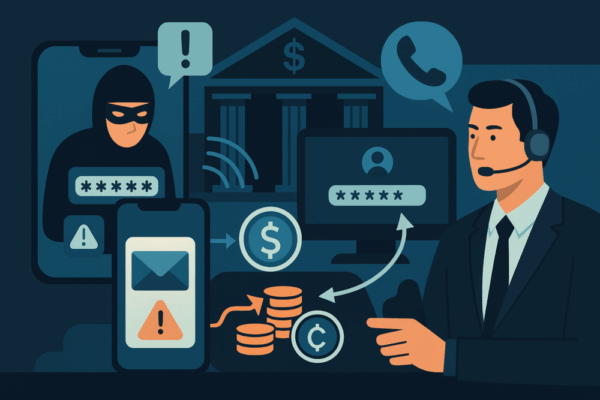
Strengthen your organization’s identity and access security with SSL.com Client Authentication Certificates
CISA Orders Agencies to Patch Oracle Identity Manager Zero-Day
CISA added a critical Oracle Identity Manager vulnerability (CVE-2025-61757) to its Known Exploited Vulnerabilities list after evidence emerged that attackers may have scanned for and abused the flaw months before Oracle released a patch. The bug allows unauthenticated attackers to fully compromise OIM with a single malicious request. Federal agencies are now required to patch by December 12. (The Register) How to protect your organization: Why it matters: Identity platforms are a prime target for attackers, and a single unpatched vulnerability can enable full system compromise. Leaders should prioritize rapid patching cycles, enforce strict access controls on identity infrastructure, and ensure continuous monitoring to detect and contain weaknesses. Taking proactive measures can prevent vulnerabilities from escalating into widespread breaches.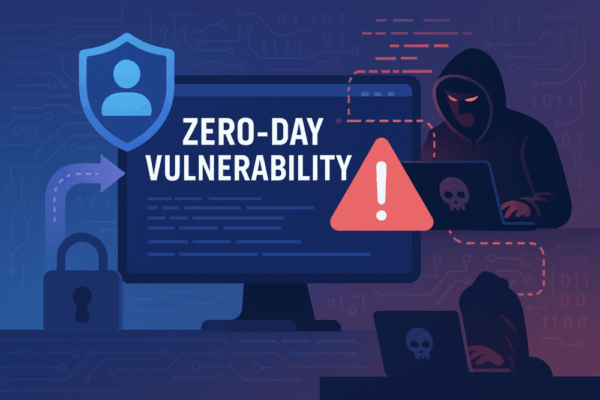
DoorDash Discloses Another Data Breach Affecting User Contact Information
DoorDash announced that an unauthorized actor accessed contact information belonging to some consumers, Dashers, and merchants after an employee fell victim to targeted social engineering. While no sensitive financial or government ID data was exposed, the breach highlights recurring issues at the company, which has suffered similar incidents in 2019 and 2022. (Cybernews) How to protect your organization: Why it matters: Most of these attacks begin with compromised or spoofed email accounts. SSL.com’s S/MIME Certificates protect your organization from phishing, credential theft, and identity-based attacks by encrypting messages and applying tamper-proof digital signatures. This helps ensure that employees, partners, and clients can verify email authenticity before acting.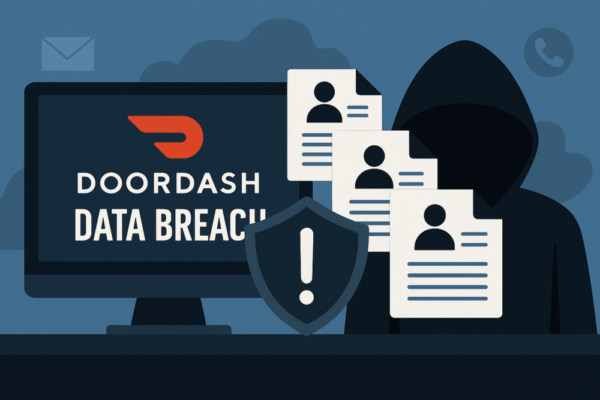
Secure your organization’s communications with SSL.com S/MIME Certificates
Massive ClickFix Phishing Campaign Hits Hotels With PureRAT Malware
An extensive hospitality-focused phishing campaign is impersonating Booking.com to lure hotel managers into downloading malware such as PureRAT. Attackers use compromised email accounts, fake reCAPTCHA pages, and malicious PowerShell commands to steal credentials from travel booking platforms such as Booking.com and Expedia. Stolen access is then resold or used to defraud hotel customers directly. (The Hacker News) How to protect your organization: Why it matters: Phishing campaigns rely heavily on email impersonation. SSL.com’s Verified Mark Certificates (VMCs) help organizations visually authenticate their messages by displaying a validated brand logo beside the sender name—making real communications immediately recognizable and reducing the likelihood that employees or customers will fall for fraudulent booking-related emails.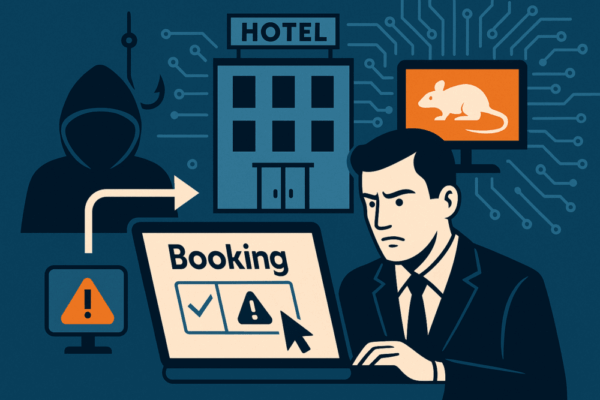
Establish instant email authenticity and protect your brand with SSL.com Verified Mark Certificates
U.S. Congressional Budget Office Targeted in Suspected Foreign Cyberattack
The CBO confirmed a cybersecurity incident after a suspected foreign attacker breached its network. Officials are investigating whether internal communications, draft economic analyses, or sensitive legislative exchanges were exposed. While the intrusion was detected early, some congressional offices have paused email contact with the agency out of caution. (Bleeping Computer) How to protect your organization: Why it matters: Government agencies must deliver essential services while protecting highly sensitive data. SSL.com’s PKI for Government provides globally trusted certificates, automated lifecycle management (via ACME), and hosted public or private PKI options. These solutions help agencies secure confidential communications, protect mission-critical data, and maintain compliance within budget.
Strengthen your agency’s trust infrastructure with SSL.com’s PKI for Government